
The Business of Sport
The New
Boot Room
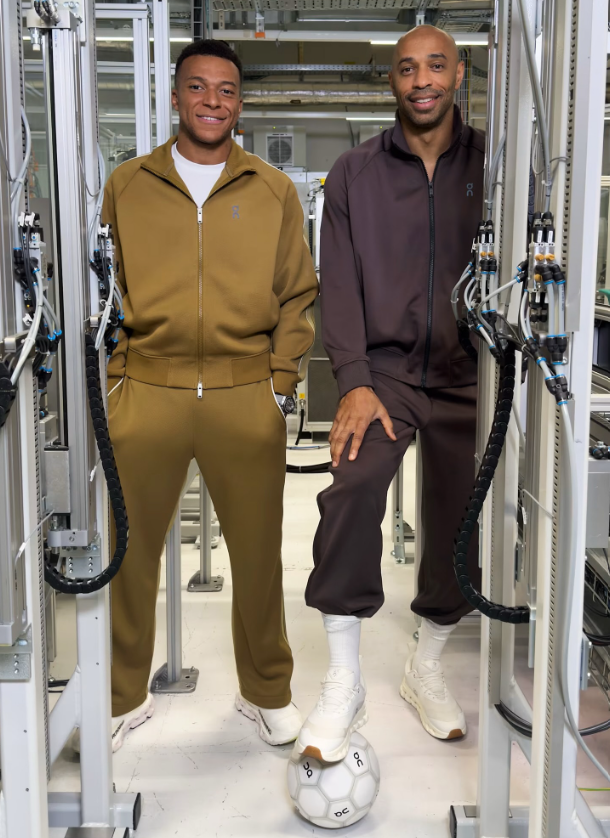
Thierry Henry is now Director of Football at On. Kylian Mbappé just left Nike after 18 years. And a Swiss running brand is about to rewrite everything you think you know about football footwear.
The announcement came on the same day. Thierry Henry appointed Director of Football at On. Kylian Mbappé — one of the most commercially marketable athletes on the planet — confirmed as having left Nike for the same Swiss running brand. September 18, 2026 was not a quiet Thursday in the football world. It was the day a company best known for cloud-sole running shoes decided to come for the boot room, and brought two of the game's most influential figures with it.
Henry, 48, has been building toward this moment for the better part of a year. His collaboration with On began in late 2025, shaping the brand's football strategy before its formal launch. Now he steps into an executive role with genuine authority — overseeing product development, athlete partnerships, and the strategic direction of On Football. For a man who has spent years at the intersection of the game's technical and commercial worlds, the appointment is a natural next step. For On, it is a statement of seriousness.
"Building something new in football requires a bold and original approach. We want to listen to players, understand what they need and create something that can genuinely add to the game."
Thierry Henry, Director of Football, OnThe key talent in On's football project — at least on the pitch — is Mbappé. The Real Madrid forward has spent almost his entire career at the highest commercial level of Nike's football empire, wearing their boots through his defining moments at Monaco, Paris Saint-Germain and now Spain. Nike, by all accounts, did not fight to keep him. They "focused on their robust roster of young stars" instead — a pointed phrase from a brand that clearly sees the Mbappé chapter as closed. For the world's largest sportswear company to lose one of its most visible assets without apparent negotiation suggests something deeper: either a relationship that had run its course, or confidence that the football boot market's established hierarchy cannot be disrupted by a newcomer.
On may be about to test that confidence very publicly.
A Boot Unlike Anything Before It
The technology at the centre of On's football entry is called LightSpray. Developed for running footwear, it is now being adapted for the demands of elite-level football — and the early signs suggest the adaptation is more than cosmetic.
LightSpray Technology
A robotic arm sprays a continuous thermoplastic filament to construct the boot upper in approximately three minutes, producing a seamless, laceless, one-piece shell with no cutting, stitching or gluing. The result bonds directly to a lightweight soleplate. Upper production carbon emissions are reduced by up to 75% compared to conventional manufacturing. The sensation for the wearer: the boot conforms to the foot's contours, delivering a barefoot-like ball contact.
The prototypes revealed alongside the announcement are striking. An all-white silhouette, entirely seamless, no visible lacing, minimal branding. They look less like football boots and more like an architect's sketch of what football boots should eventually become. Mbappé has already been wearing them in training, and pitch marks on the displayed prototypes confirm this is not a concept render. A commercial retail version is expected in 2027. Before then, if Mbappé wears them in a competitive match, the world will watch.

The Team Around the Project
Henry and Mbappé are not working alone. On has assembled a small group of players to help develop and test its football products from the inside — a smart piece of product strategy that ensures elite performance feedback is baked into the design process from the beginning.
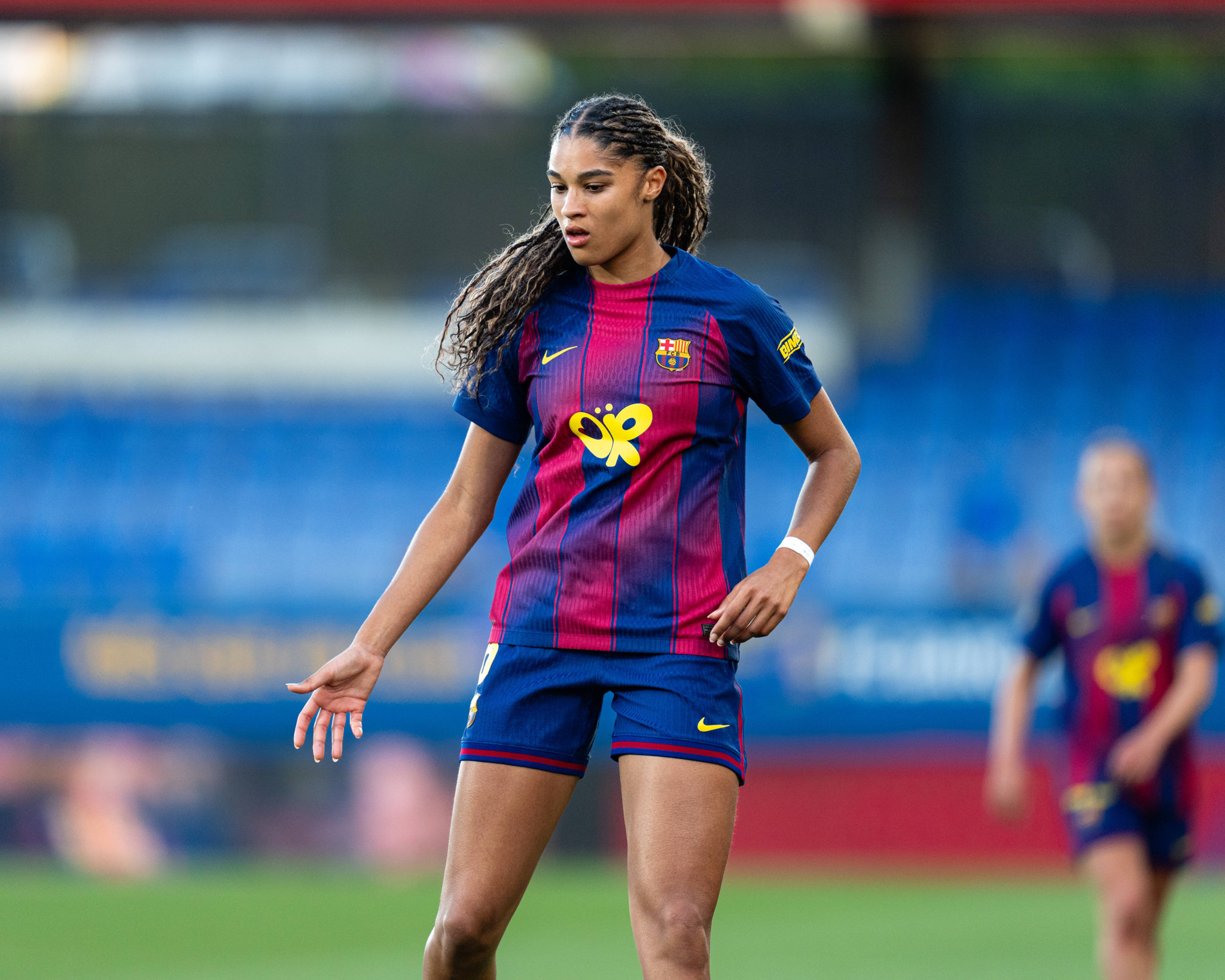
Sydney Schertenleib, the young Barcelona midfielder, joins Mbappé as a testing partner — providing a different perspective from a player still in the early stages of building her career at the game's highest level. It is a deliberate choice: On wants feedback from both a generational superstar and an emerging talent, understanding that the boot that works for one must also work for the other.
What Nike's Silence Says
Perhaps the most telling detail of the whole announcement was Nike's response — or the absence of one. A company that has spent decades defining football's visual language, that shaped the careers of Ronaldo, Henry himself, and an entire generation of the game's greatest players, essentially let Mbappé walk. No bidding war, no public statement of regret. Just a quiet acknowledgement that they were focused elsewhere.
There are two readings of that posture. The charitable one: Nike is so deeply embedded in football at every level — kits, boots, academies, youth players — that losing one ambassador, however prominent, costs nothing they cannot absorb. The less charitable reading: Nike has not understood, or does not believe, that On can genuinely disrupt the market. The history of sportswear is littered with incumbents who underestimated a challenger until it was too late.
Adidas, after all, once held football boot dominance the way Nike now does. The market turns.
Henry's Second Career in Football
For Henry personally, the On role represents a shift in how he engages with the game. His coaching record — most notably a bruising stint at Monaco in 2018 and 10 months in charge of the Belgium national team — was mixed enough that a return to senior management has never felt inevitable. His work with the France Under-21 side showed a sharper, more considered approach. But the On role is something different: an executive position that draws on his authority, his networks, and his intelligence about the game, without the weekly pressure of results.
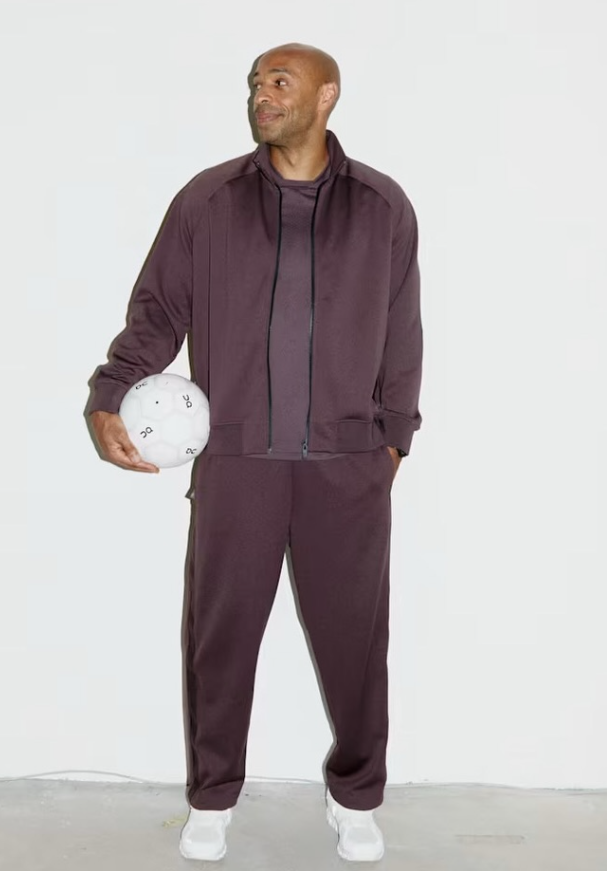
It is, in that sense, a very modern version of what a great footballer can become. Not a pundit, not a coach waiting for the next job, but a figure embedded in the product layer of the sport — influencing what the next generation of players wear, how a new brand positions itself within football culture, and what the relationship between elite athletes and commercial partners looks like in an era when the smartest players want ownership and agency, not just endorsement cheques.
Mbappé's move to On — reportedly involving equity rather than simply sponsorship — is a signal of exactly that shift. Henry's appointment confirms it. The boot room, once a place of mud and superstition, is now also a boardroom. And Thierry Henry has always known his way around both.
Sources
- 3nul.com — Thierry Henry is now Director of Football at On.
- Versus — Thierry Henry Has Become On's Director of Football
- Sneaker News — Kylian Mbappé Leaves Nike For On Running
- Footy Headlines — On LightSpray Prototype Football Boots Revealed
- Andscape — Mbappé's move to On is about influence and ownership
- Goal.com — Mbappé and Thierry Henry join On sportswear

Source: 3nul.com
Images: Getty, Versus, Dario AS
The Business of Football
⚽ Bezos Consortium Acquires 30% of Liverpool FC
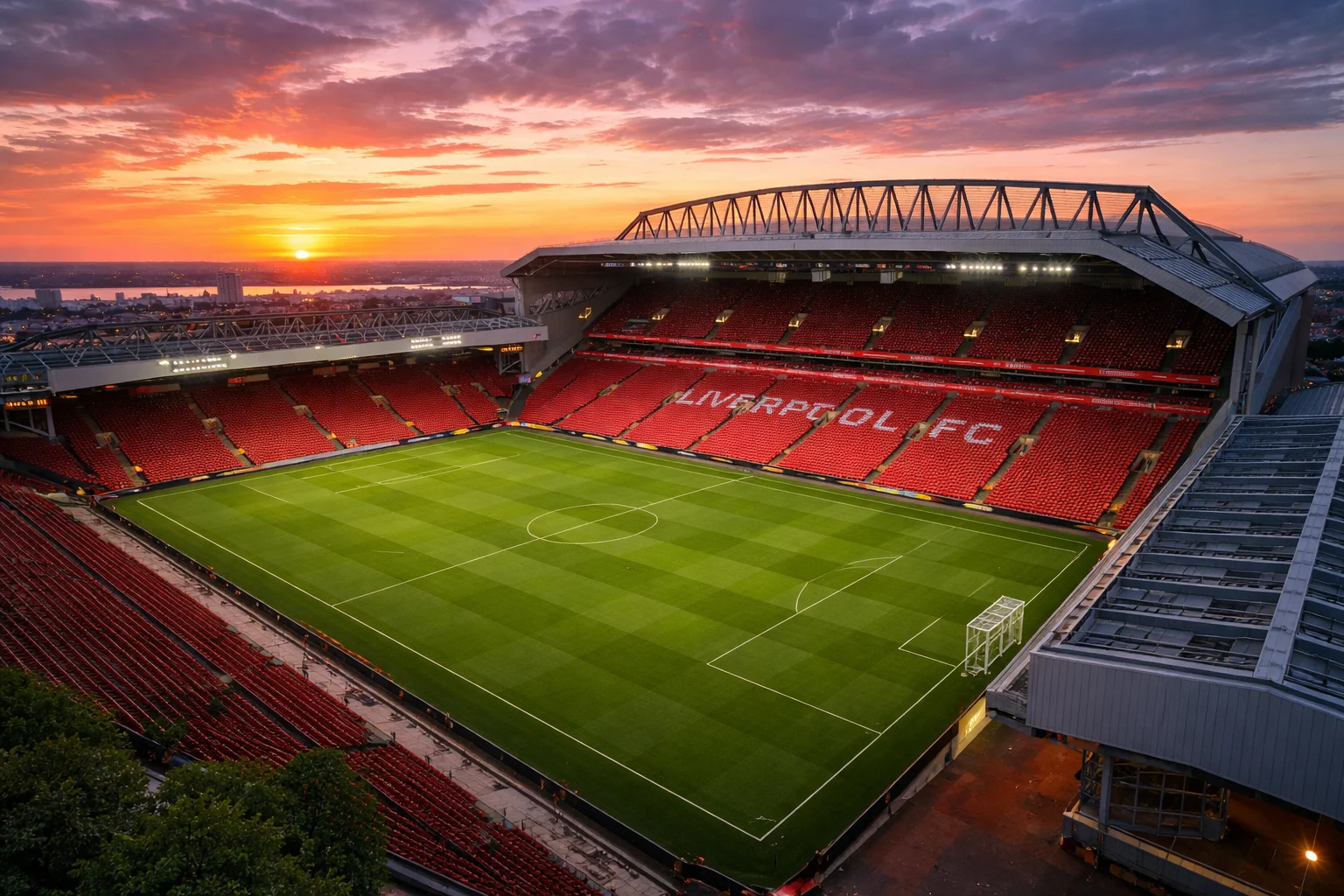
Football has seen some transformative ownership deals in its recent history — Roman Abramovich at Chelsea, the Qatar Investment Authority at Paris Saint-Germain, the Saudi Public Investment Fund at Newcastle United. On Friday the 14th of August 2026, another name joined that list. And it may be the most consequential of them all so far.
Fenway Sports Group have confirmed the sale of a 30% stake in Liverpool FC to 1892 Holdings — a consortium led by businessman Amit Bhatia and including Amazon founder Jeff Bezos, Facebook co-founder Eduardo Saverin and his wife Elaine, and the Mittal Family Trusts. The deal is worth approximately £1.65 billion, valuing Liverpool FC at more than £5.5 billion — a record valuation for a football club investment, surpassing James Ratcliffe's 2024 purchase of a stake in Manchester United at an enterprise value of around $5.8 billion.
"We are incredibly proud to be investing in Liverpool Football Club and to be doing so alongside FSG."
For context on the scale of what has just happened: FSG originally acquired Liverpool FC in 2010 for $406 million, saving the club from the brink of collapse. That investment has now grown by more than 1,400 percent in sixteen years.
The Consortium: Who Are 1892 Holdings?
The name 1892 Holdings is a nod to Liverpool Football Club's founding year — a deliberate signal of long-term intent from a group of investors who have made clear this is not a short-term financial play.
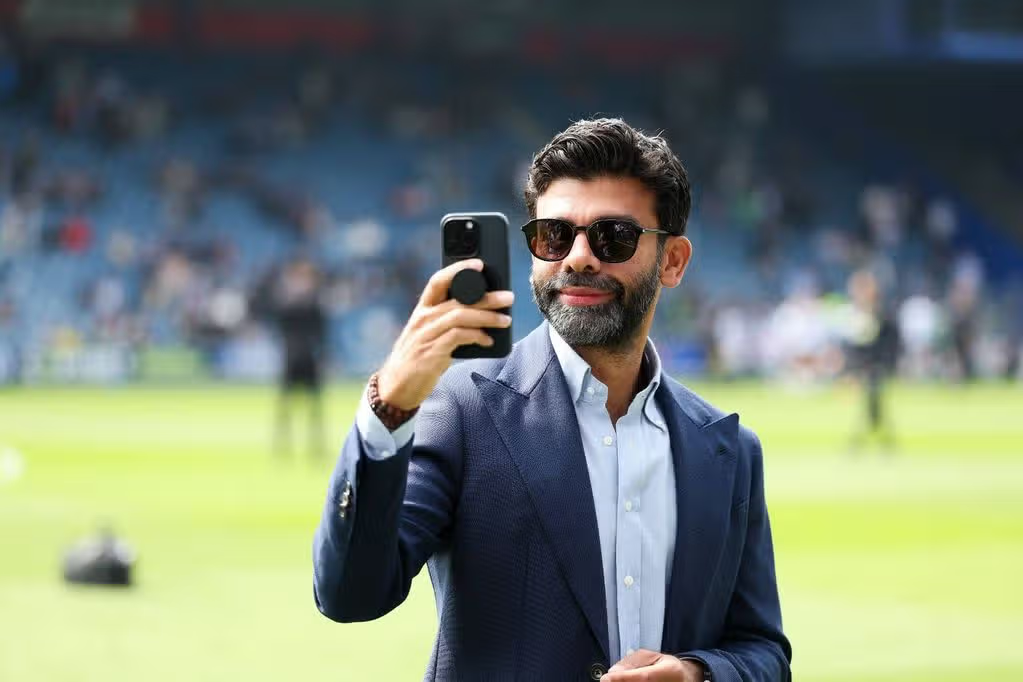
The consortium is managed by Amit Bhatia, who will serve as Liverpool's new vice-chairman and join the club's expanded board of directors. Bhatia is the son-in-law of billionaire steel tycoon Lakshmi Mittal and a former co-owner of Queens Park Rangers. His investment portfolio includes a controlling stake in T20 cricket team the Rajasthan Royals and the second-largest stake in the Boston Celtics.
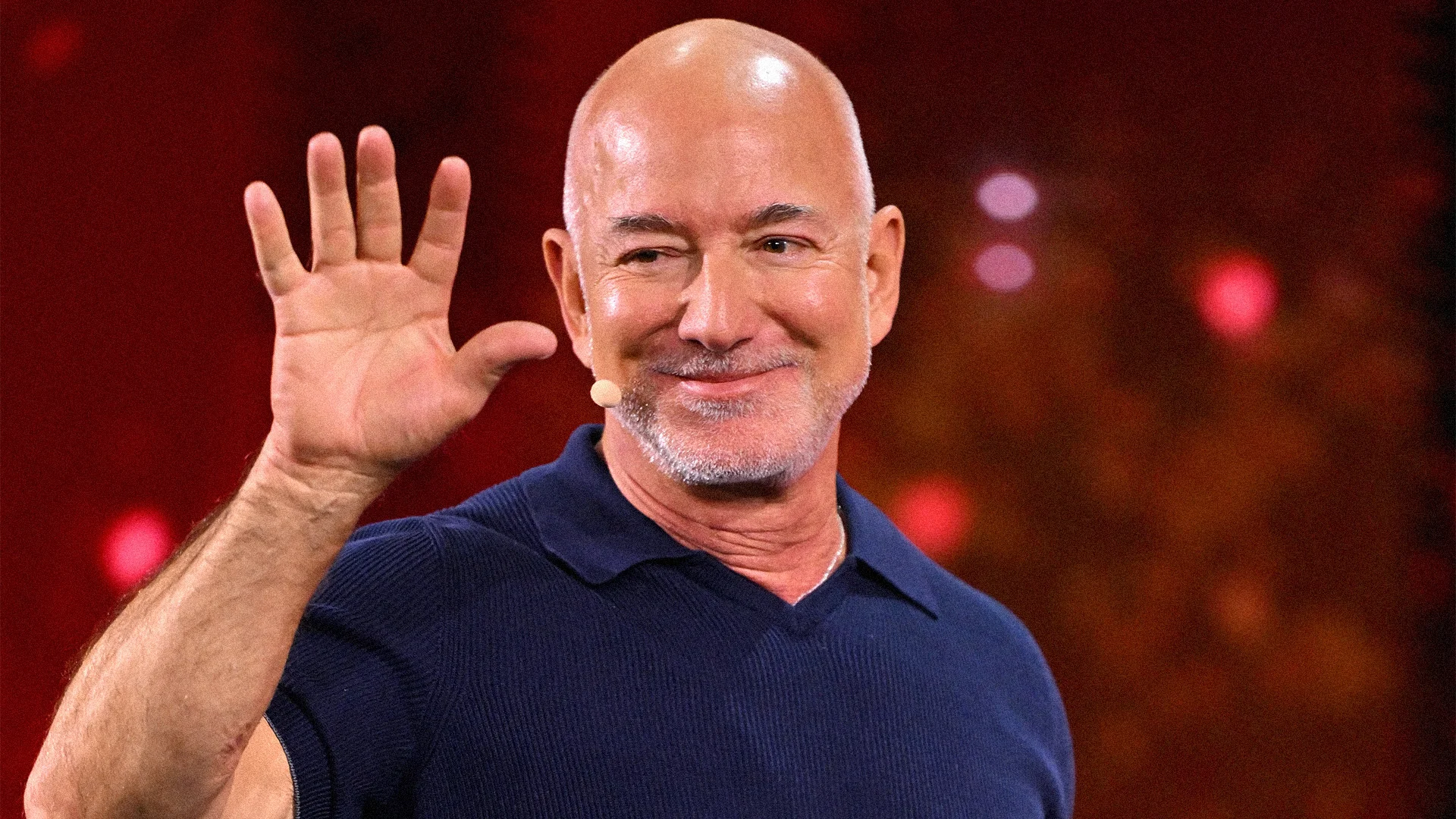
Jeff Bezos has invested through K5 Sports and will not take up a position on the club's board. His representative, Bryan Baum from K5 Sports, will join the expanded board alongside Elaine Saverin on behalf of EE Capital. Bezos, the third-wealthiest person in the world with a net worth of $274 billion, has previously explored ownership in NFL franchises including the Washington Commanders and Seattle Seahawks — making this his first confirmed investment in a sports franchise.
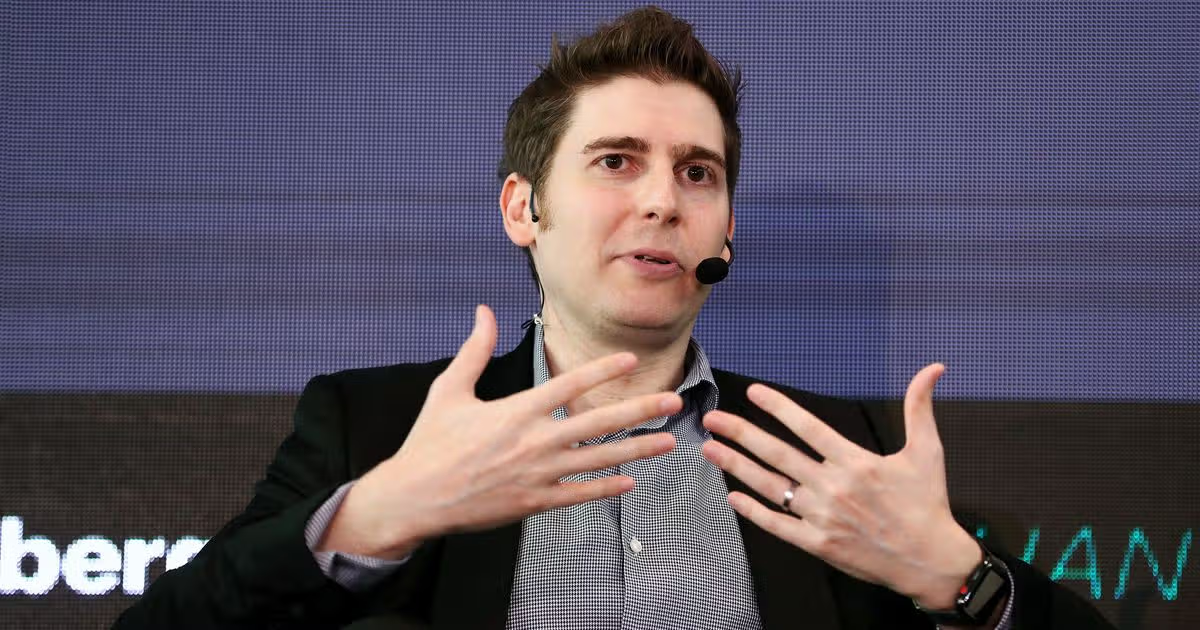
Eduardo Saverin — the Facebook co-founder who famously featured in The Social Network — joins through EE Capital, the family office he operates with his wife Elaine. Bezos and Saverin have a combined net worth of more than $300 billion.
FSG Stay in Control — For Now
FSG will maintain majority ownership and operational control of Liverpool FC — a point the club was at pains to emphasise in its official announcement. FSG President Mike Gordon articulated the philosophy behind the decision with characteristic precision.
"Liverpool has always been built by thinking beyond one season and making decisions with the club's long-term interests in mind. That approach continues to attract interest from respected investors and business leaders around the world. As we considered this opportunity, it became clear that Amit and the consortium shared our long-term philosophy and appreciation for what makes Liverpool special."
Bhatia, for his part, was equally measured. "We are incredibly proud to be investing in Liverpool Football Club and to be doing so alongside FSG. We have the utmost respect and admiration for FSG as owners and for everything they have achieved at Anfield. To be welcomed as a partner in a club of this stature is a huge privilege."
The Option That Changes Everything
The headline figure — £1.65 billion for 30% — is extraordinary enough. But the detail buried in the agreement may be even more significant. The deal contains language that could allow the 1892 Holdings consortium to purchase a controlling ownership stake within the next 12 months, at a valuation of around $8 billion, should FSG decide to relinquish control.
In other words, this may not simply be a minority investment. It may be the first act of a full ownership transition — one that would place one of the world's most famous football clubs in the hands of some of the most powerful figures in global technology and business. Whether that option is exercised will be one of the most closely watched stories in football over the next twelve months.
What It Means for Liverpool FC
The new minority owners will support Liverpool FC's long-term ambitions by bringing together experts from global business, technology and investment — a deliberately vague formulation that nevertheless points toward infrastructure upgrades, global commercial expansion and the kind of data and technology integration that Amazon and Meta have deployed in their own industries.
Liverpool are currently fourth in Forbes' global club valuations, behind Real Madrid (£7bn), Barcelona (£5.5bn) and Manchester United (£5.3bn). With the combined intellectual and financial firepower of Bezos, Saverin and the Mittal family now behind the club, the gap to the top of that list looks narrower than it has in years.
The next chapter at Anfield has just been written. In billion-dollar ink.
Source: 3nul.com
Images: Getty, Liverpool.com, The Football Boardroom
The Business of Football
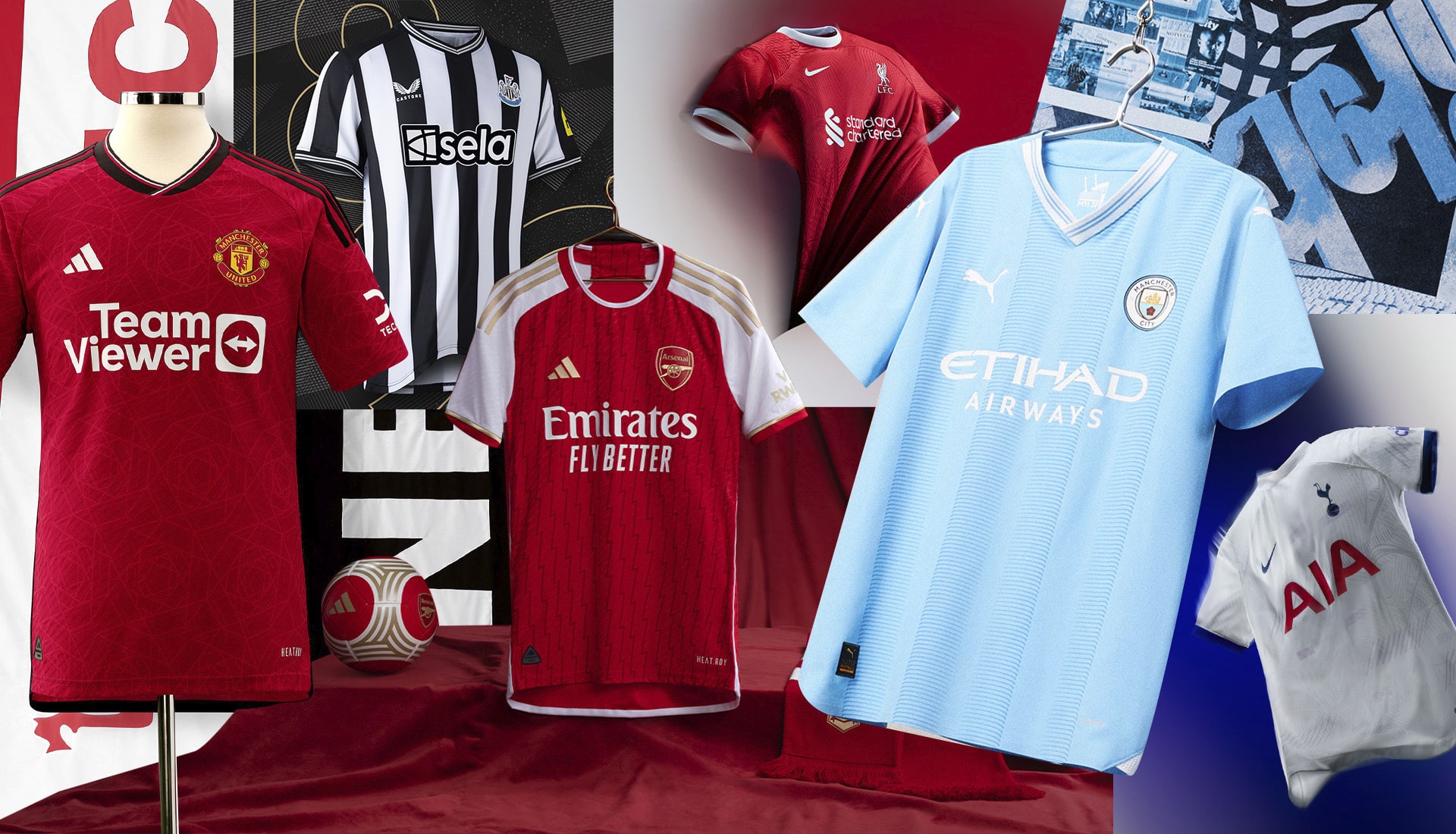
⚽ Why Brands Pay £60 Million to Put Their Name on a Football Shirt
Sixty million pounds. That is what some brands are now willing to pay to have their name on the front of a football shirt — and most people outside the industry have no idea why. Colin Murray and Natalie Pirks, joined by sports journalist Stuart Hodge, set out to answer exactly that question in one of the most illuminating conversations about the business of sport you will hear this year.
The mechanics of sports sponsorship — how brands measure value, what they are actually buying and why football remains the most commercially attractive vehicle on earth — are unpacked with clarity and genuine insight. The example of a financial services company using a Premier League star to access entirely new markets illustrates perfectly why shirt sponsorship is not simply about logo placement. It is about cultural access, emotional connection and reach that no conventional advertising can replicate.
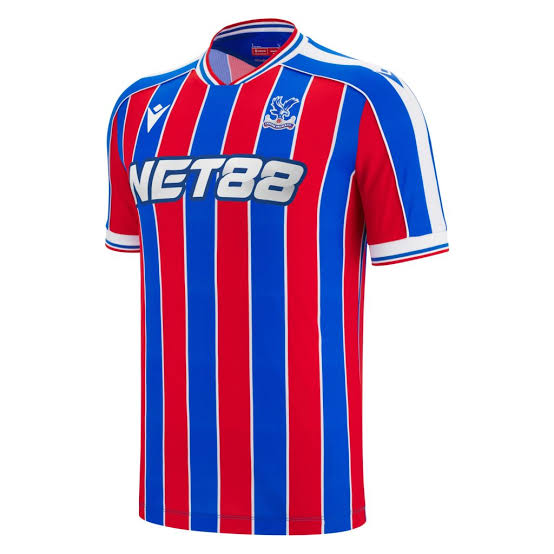
Crystal Palace's unexpected FA Cup sponsorship return gets its own examination — a case study in how even secondary competitions can deliver outsized commercial value for the right brand at the right moment. The Premier League's gambling sponsorship restrictions are addressed honestly, raising important questions about where the boundaries of commercial football should sit.
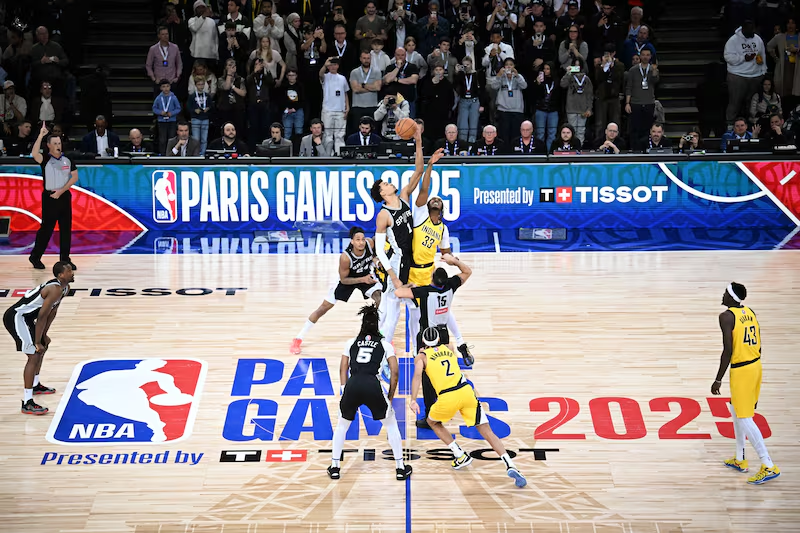
And then comes the NBA. The billions the American basketball giant is preparing to invest in building its European presence are laid out in stark context — set against the striking statistic that basketball currently generates less than one percent of Europe's total sports revenue. The gap between ambition and reality has rarely looked quite so wide — or quite so interesting.
Source: 3nul.com
Images: Getty, High Performance Business Podcast
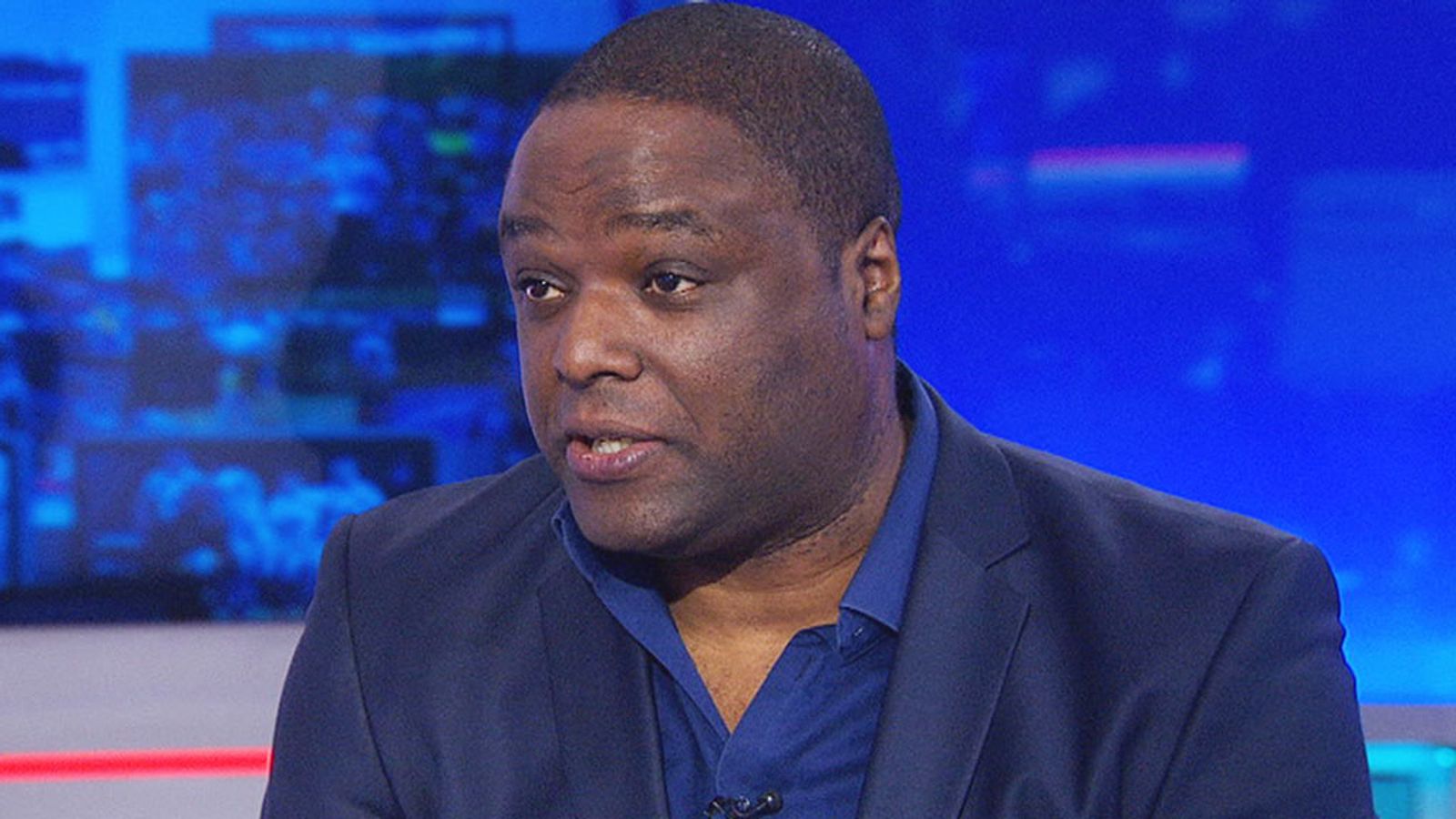
The Man Behind the Deals
⚽ Super Agent Sky Andrew Goes Exclusive
Every blockbuster transfer has a name attached to it. The player. The club. The fee. But behind every one of those deals — in the meeting rooms, on the phone calls, across the negotiating tables — there is almost always an agent. And very few agents in world football have operated at the level, or with the longevity, of Sky Andrew.
In this exclusive interview, one of football's most respected super agents sits down to pull back the curtain on an industry that the sport simultaneously depends on and rarely discusses openly. The biggest stories of the current transfer window are addressed head-on — who is moving, who is staying and what the real dynamics behind the headlines actually look like. The growing influence of agents in modern football is examined with candour — how the role has evolved, how the power has shifted, and what it means for clubs, players and the game itself.
Then comes the question every football fan has always wanted answered: how do agents actually get paid? Sky Andrew explains the mechanics, the structures and the reality of a business model that is widely misunderstood and frequently misrepresented.

And finally — the behind-the-scenes reality of football's biggest deals. The conversations that never make the papers. The moments that determine whether a transfer happens or falls apart. The phone calls, the relationships, the trust.
For anyone who has ever wondered what really goes on when a player moves clubs — this is the conversation you have been waiting for.

Source: 3nul.com
Images: Sky Sports, The Beautiful Game Podcast